
On January 15, 2026, with our permanent electrical power connected and our tree canopy cleared, we reached the final phase of system preparation: utility commissioning.
Utility commissioning represents the transition of your home from an inactive building site to a fully functional, residential property. It involves activating your permanent gas, water, and electrical meters, and systematically testing every single system—including your furnace, air conditioner, tankless water heater, and kitchen appliances. This phase is highly technical and requires close coordination with your licensed subcontractors to ensure everything is functioning safely and legally before your final municipal inspections.
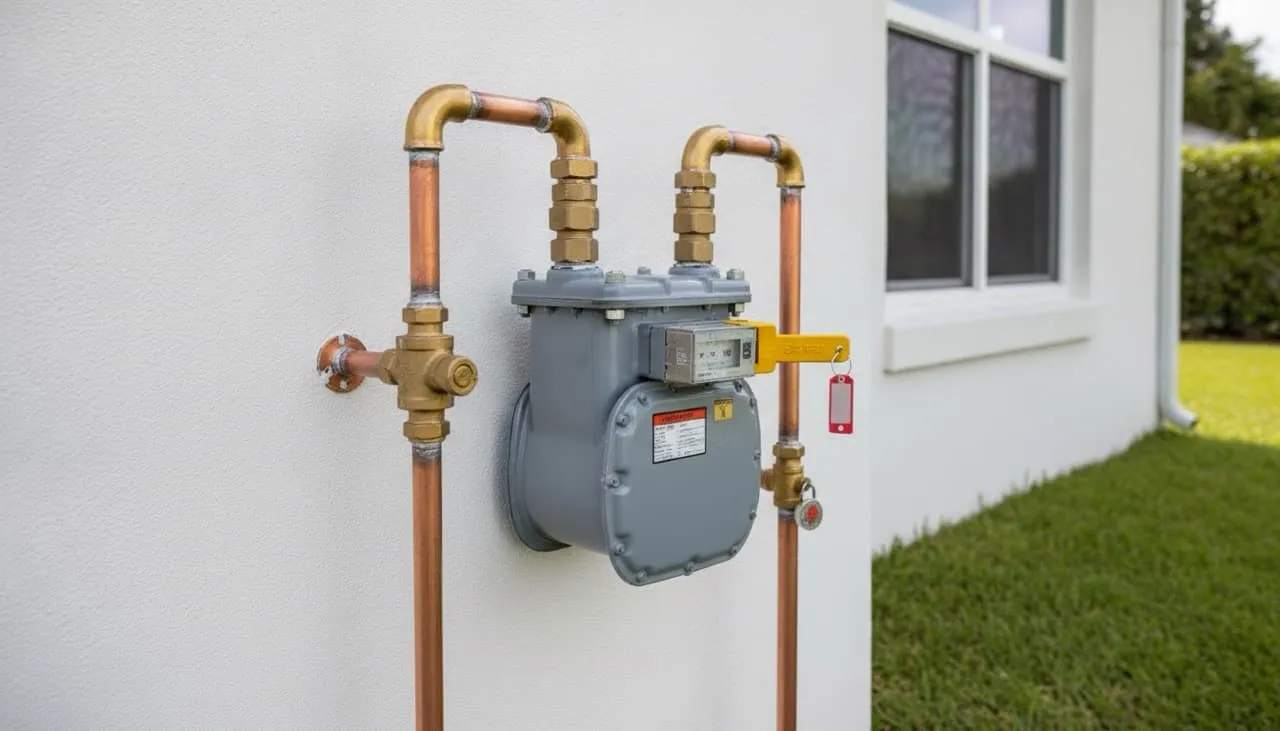
Activating the Gas Meter & the Safety Pressure Test
Before your municipal gas company will unlock your new meter and activate your gas service, they require proof that your home’s gas lines are completely safe and airtight.
On January 15, 2026, the utility technician arrived to perform our gas activation:
- The Safety Check: The technician hooked up a highly sensitive pressure gauge to our gas lines, verifying that the piping could hold pressure without even a minor drop, confirming there were zero leaks.
- Active Testing: Once the meter was unlocked, we worked with our subcontractors to test our main gas appliances, verifying that our gas dryer connections and kitchen stove range burners ignited safely with proper flame levels.
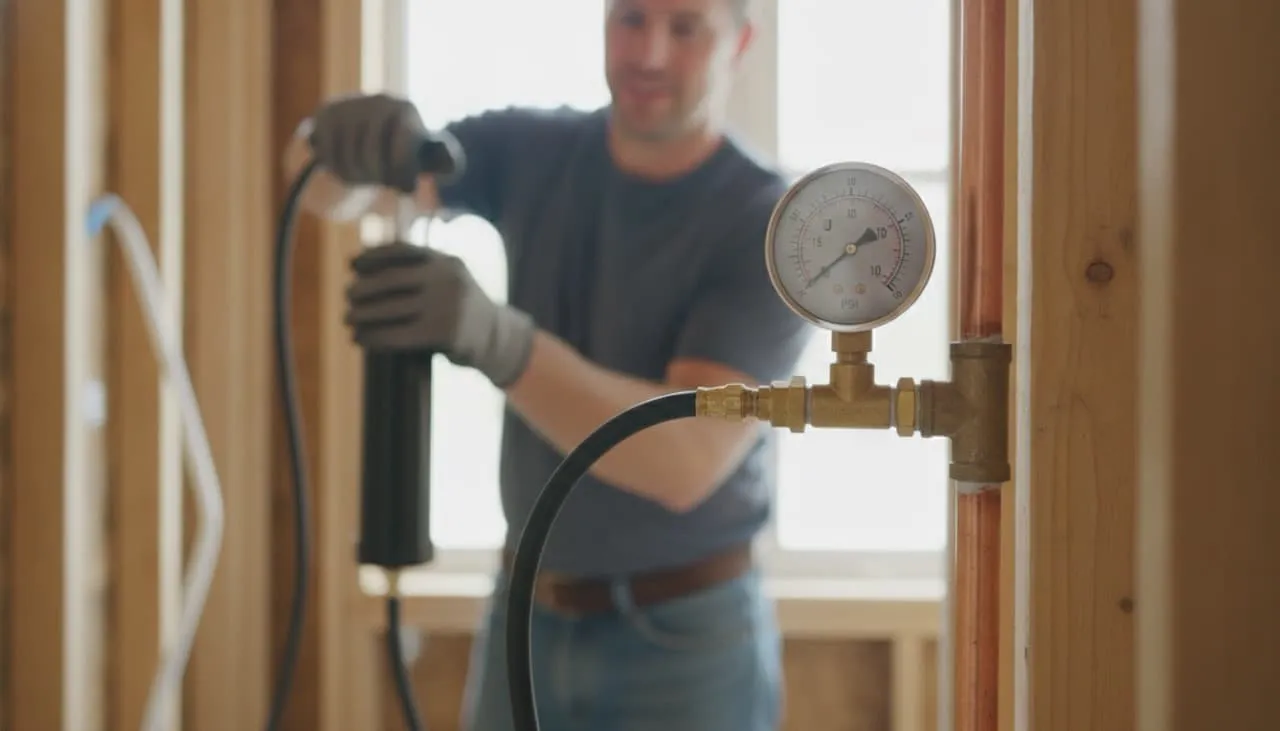
Commissioning High-Value Systems: Protecting Your Warranty
A common home remodeling mistake is assuming that utility technicians will configure and start your new mechanical appliances.
During our gas activation, the utility technician successfully unlocked our meter but refused to fire up our brand-new tankless water heater. He explained that because the unit was a high-tech, tankless system, starting it up incorrectly could damage the internal computer boards or burner manifolds, which would void the manufacturer’s warranty. We had our licensed plumbing subcontractor return to complete the official commissioning, testing the water pressure, purging air from the lines, and certifying the startup to protect our product warranty.
We also tested our HVAC zones: when we hooked up our downstairs Nest thermostat, we identified a low-voltage power issue early (it wasn’t charging properly from the C-wire), allowing our electrician to repair the connection before we moved in.
The Importance of Flushing Water Lines
During the rough plumbing and framing phases, a significant amount of debris—including copper shavings, soldering flux, cement dust, and dirt—inevitably accumulates inside your raw water lines.
If you turn on your water service without flushing these lines, this debris will flow directly into your new, high-end faucets and appliances:
- The Damage: Debris can clog delicate faucet aerator screens, scratch ceramic cartridge valves, and permanently damage the water inlet valves of your refrigerator and dishwasher.
- The Solution: Before connecting any water lines to our new faucets or appliances, our plumbers ran water at full pressure directly out of our open shower valves and utility lines, flushing the entire pipe network clean of debris.
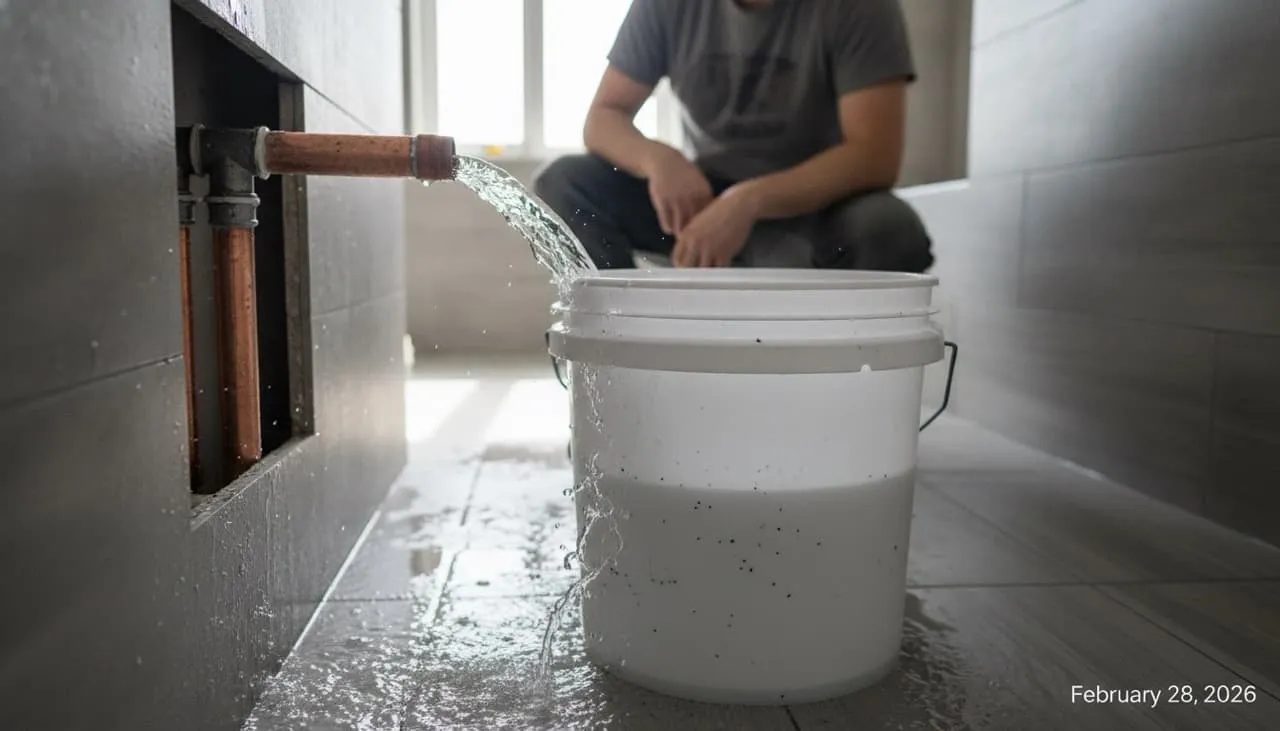
Crucial Homeowner Call-Outs: What to Watch For
- Do Not Attempt to Self-Start New High-End Appliances: Avoid the temptation to turn on or run your new tankless water heater, HVAC furnace, or built-in refrigerator yourself before they are officially certified. Insist that the installing plumbing, HVAC, and electrical subcontractors perform the initial startup and commissioning. Unauthorized startups can void your manufacturer warranties if a system fails due to an installation oversight.
- Ensure the Plumber Flushes All Water Lines Thoroughly First: Verify that your plumber physically flushes all hot and cold water lines before hooking up your expensive kitchen and bathroom faucets, dishwasher, or refrigerator water lines. This simple, necessary step prevents pipe debris from clogging your new fixtures and damaging delicate internal seals.
What’s Next in the Construction Journey…
With our utilities commissioned and our mechanical systems running safely, we are ready to install our final appliances. Join us in our next post, Episode 43: The Appliance Scope Gap — Cabinet Drills and Third-Party Installers, as we share the logistical challenges of coordinating built-in appliance deliveries and installation with custom cabinetry.