
In late January 2026, we passed our final municipal electrical inspections. Our home’s internal wiring was fully approved, and we were eager to transition our power from our temporary construction pole to our permanent residential meter.
The final step seemed simple: have the municipal power utility (DWP) remove the temporary pole and connect our new overhead electrical service drop. However, on January 30, 2026, we hit an unexpected jurisdictional standoff at our property line that threatened to stall our entire move-in schedule.
The Day the Hookup Halted: DWP’s Strict Boundaries
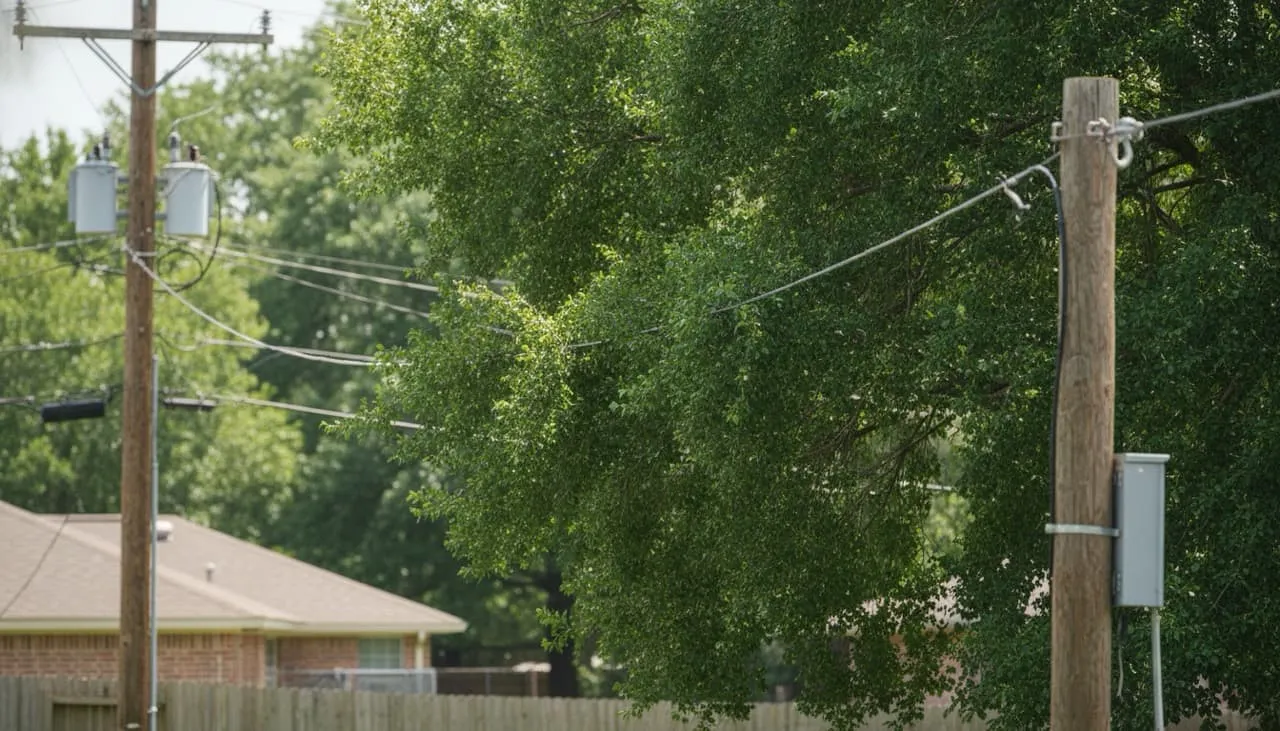
When the DWP crew arrived on site, they took one look at our backyard tree canopy and immediately halted the connection:
- The Problem: Several large branches of a mature tree on our property were growing directly along the proposed pathway of the new, permanent overhead electrical wire.
- The Policy: While municipal power companies will trim tree limbs around main neighborhood power lines running along the street, their policy regarding private service drops is strict: they will not trim trees on private property to clear incoming residential connection lines. That responsibility—and cost—falls entirely on the homeowner.
Why Your Contractor’s Crew Cannot Help
Our first instinct was to ask our builder’s framing crew if they could quickly trim the offending branches using their ladders and chainsaws. However, we quickly learned why standard construction crews cannot perform this work:
- Safety Standards: Working near high-voltage neighborhood power lines is extremely hazardous. Standard carpenters do not have the specialized safety training required to navigate live, uninsulated wires safely.
- Insurance Exclusions: Standard general liability insurance policies for general contractors specifically exclude work within close proximity to active high-voltage utility lines. If a worker were injured or caused a neighborhood power outage, the contractor would be financially liable.
The Short-Notice Scramble
To avoid weeks of scheduling delays, we had to act immediately. We scrambled on January 30, 2026, to locate and hire a specialized, private tree-trimming service with certified line-clearance credentials.
The tree crew arrived that afternoon, using insulated equipment and safety ropes to carefully trim the branches back, clearing a 10-foot unobstructed air corridor around our masthead connection. They completed the work and hauled away the debris by January 31, 2026. This rapid coordination allowed DWP to return the following week to remove our temporary pole and connect our permanent power.
Crucial Homeowner Call-Outs: What to Watch For
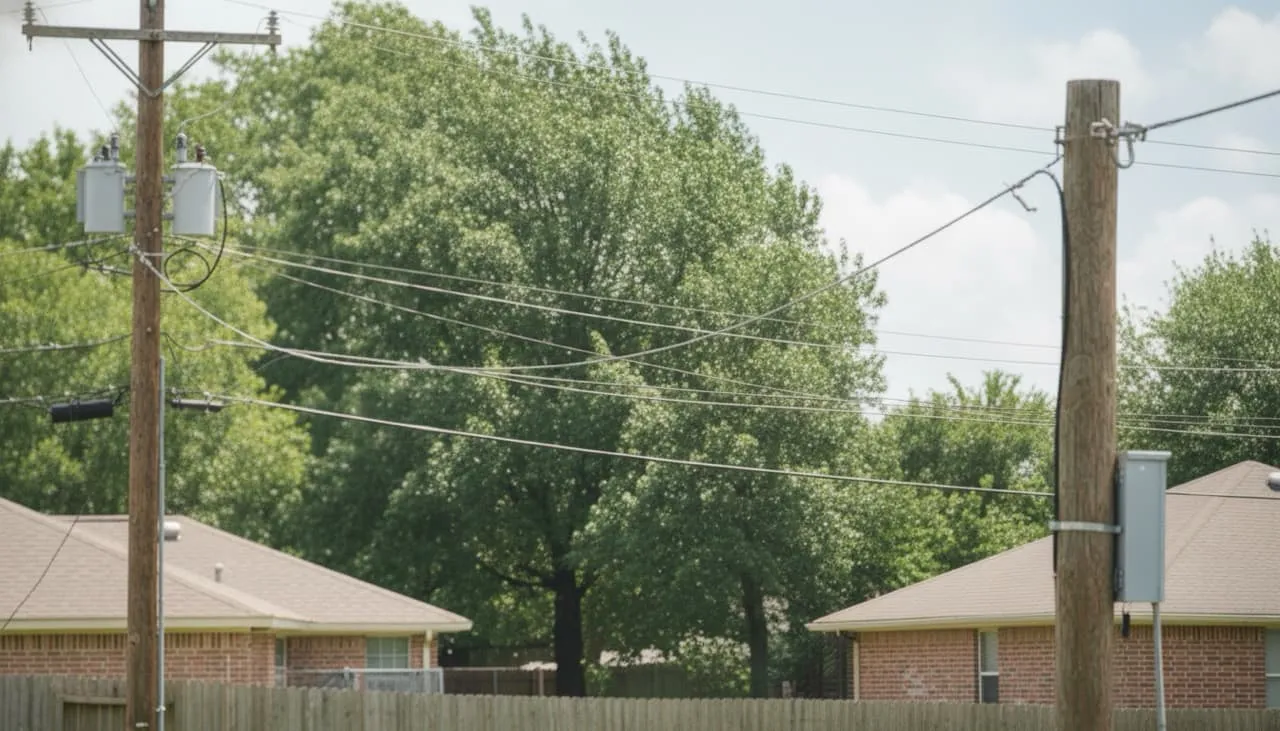
- Inspect Your Proposed Overhead Power Drop Path Early: Do not wait until utility hookup day to look at your trees. Walk the physical path from the nearest neighborhood utility pole to your home’s proposed roof masthead connection during the early stages of framing. If any private tree branches sit within 10 feet of that proposed line, organize a licensed, private tree-trimming service weeks before hookup day.
- Do Not Expect Standard Construction Crews to Handle Line Clearing: Standard carpenters and laborers are not equipped or insured to handle tree-trimming near active, uninsulated high-voltage neighborhood power lines. This specialized work requires certified line-clearance arborists with proper liability coverage.
What’s Next in the Construction Journey…
With our trees trimmed and our permanent electrical meter successfully connected, we can finally begin activating our home’s systems. Join us in our next post, Episode 42: Utility Commissioning — Turning on Gas, Power, and Water, as we share the process of turning on our municipal utilities, verifying plumbing pressures, and firing up our HVAC and hot water systems.