
On interior design television shows, selecting finishes is often presented as a fun, leisurely afternoon of choosing pretty colors. In the real world, the finish selection phase can be one of the most intense and stressful parts of a major home remodel.
For us, the pressure was turned up even higher due to our tight schedule. Because one of us was traveling back to Asia within a week, we had to compress what is normally a multi-month selection process into a series of back-to-back, high-intensity showroom visits. Over the span of just a few days, we had to choose the flooring, wall tiles, plumbing fixtures, custom cabinetry, interior doors, and window profiles for our entire first-floor remodel and second-story addition.
By the third showroom, we were experiencing what designers call “selection fatigue”—a mental burnout where every gray tile and black faucet starts to look identical. Surviving this stage required us to set up a strict, organized selection framework.
Sourcing Our Core Finishes
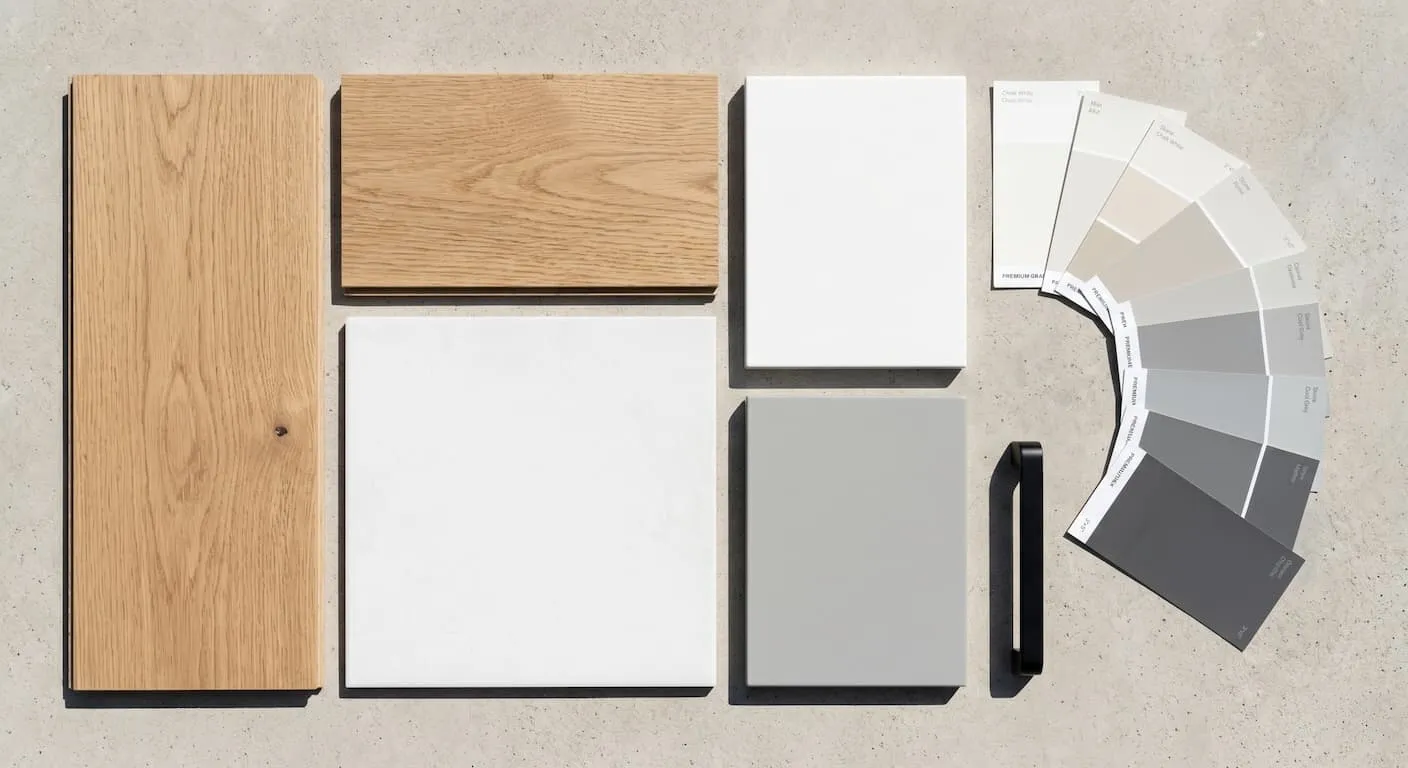
Our design goal was a clean, modern, minimalist aesthetic. This meant we were looking for a highly cohesive palette: wide-plank light wood flooring, large-format matte white tiles, satin-finished cabinetry, and clean, matte black plumbing fixtures. Sourcing these required visiting highly specialized vendors:
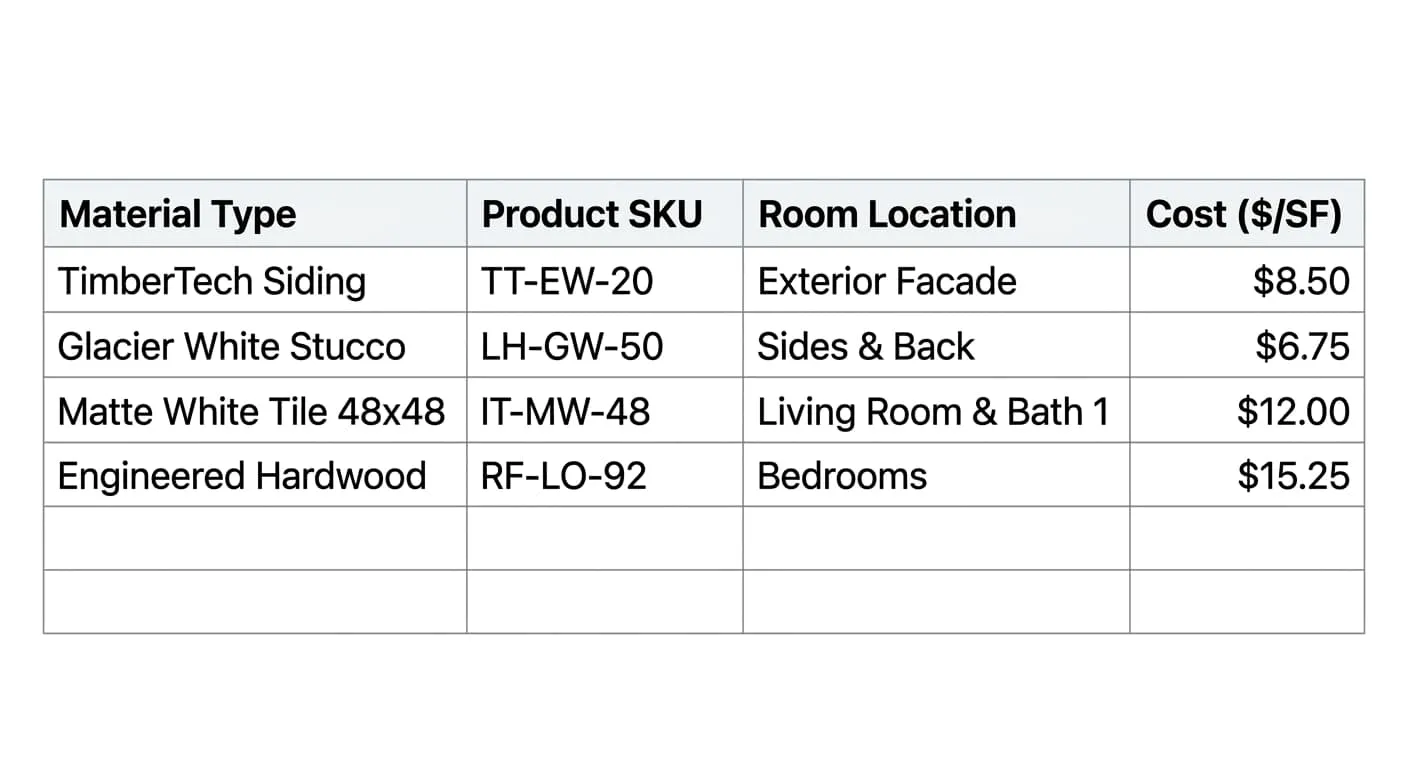
- Tiles and Flooring: We searched for large, matte white tiles (like a 48x48 format) to keep the living room and bathrooms feeling open and bright, pairing them with natural, light wood floorboards for the bedrooms and upper level.
- Custom Cabinetry: At the cabinet showroom, we reviewed cabinet door profiles, ultimately choosing a sleek, flat-panel design in satin white and grey for our kitchen.
- Plumbing and Fixtures: We wanted to match our modern theme by selecting geometric, square-profile plumbing fixtures (such as square rain shower heads, hand-held wand attachments, and square-spout faucets) in a consistent matte black finish.
- Windows and Doors: We sourced window frames and exterior doors, choosing black vinyl and aluminum frames with thin profiles to maximize our glass areas.
The Showroom Survival Framework
When you are surrounded by thousands of beautiful options, it is incredibly easy to make impulse purchases that don’t match the rest of your home. To prevent this, we established three simple rules:
- Establish Your “Base Palette” First: Choose your main flooring and wall paint colors first. This establishes your baseline. When you visit tile or cabinet showrooms, carry a physical sample of your flooring and paint cards with you. Never choose a secondary finish (like a bathroom floor tile or a kitchen backsplash) without holding it directly against your base flooring sample.
- Focus on One Room at a Time: Do not jump randomly between choosing kitchen cabinet handles and master shower tiles. Work through the house systematically, completing your selections for the kitchen, then the master bathroom, and then secondary bedrooms.
- Take Regular Breaks: Making decisions on expensive, permanent finishes requires focus. If you find yourself saying, “I don’t care, just pick one,” it is time to step out of the showroom, grab a coffee, and clear your head.
Crucial Homeowner Call-Outs: What to Watch For
Based on the challenges we encountered during our rapid selection week, here are two critical pieces of advice for any homeowner preparing for their showroom visits:
- Never Order Without the “Daylight Test”: Showrooms are lit with highly warm, halogen, or fluorescent lighting designed to make materials look as attractive as possible under retail conditions. However, these lights lie. A tile that looks like a cool, neutral gray in a showroom can easily look muddy yellow or pink under the natural light of your actual home. Always ask to borrow loose samples of your selected tiles and flooring. Take them outside into natural daylight, and ideally, place them inside your actual house frame before signing the purchase order.
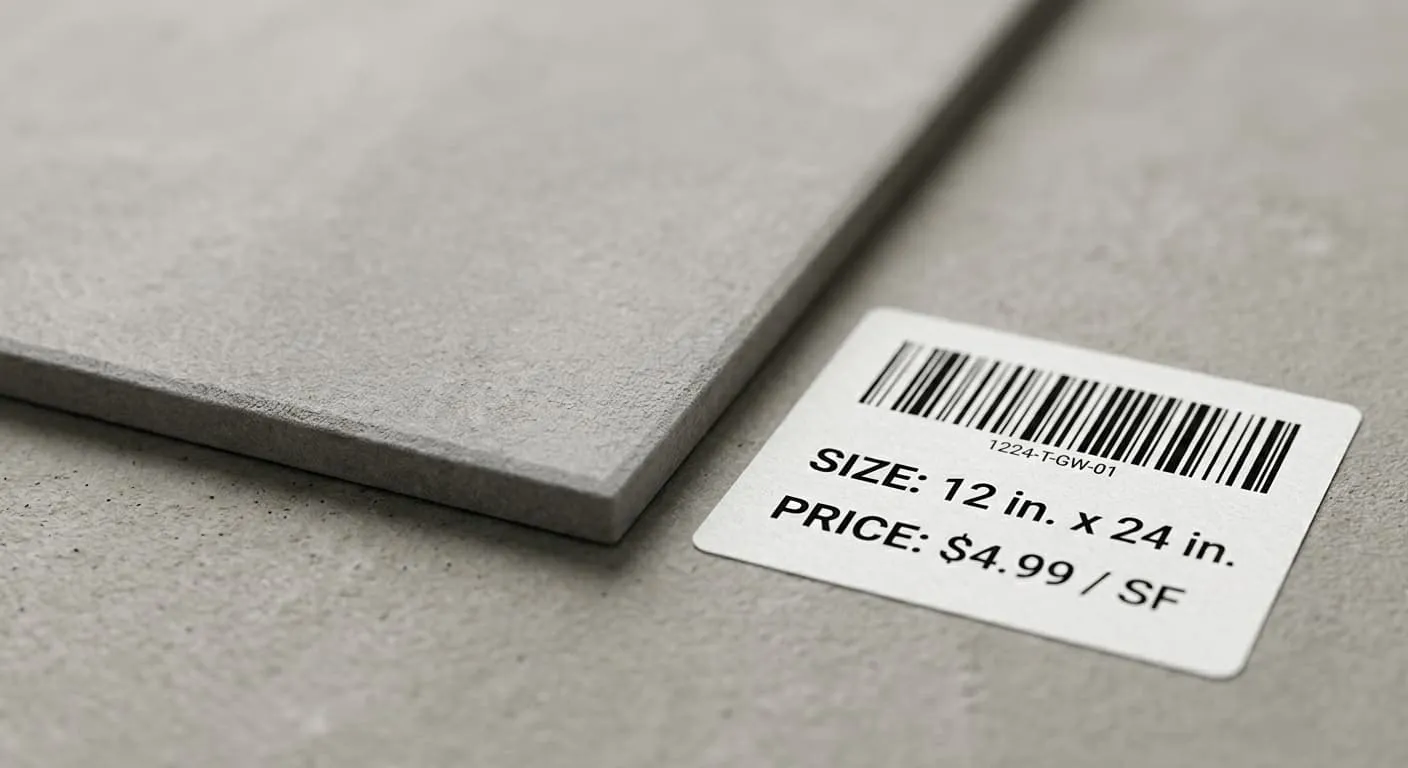
- Document Every Single SKU and Label: When you are making dozens of selections a day, your memory will fail you. Do not rely on the showroom salesperson’s written invoice to be 100% correct. Take a high-resolution photo of every single selected sample sitting directly next to its official manufacturer label, product SKU number, price tag, and dimensions. Later, when your builder drafts your material order sheets, cross-reference every SKU in the contract against your photos to verify that no incorrect finishes were ordered by mistake.
Choosing your finishes is the step that translates your architectural plans into your personal home, but keeping a structured, documented approach is key to avoiding costly selection errors.
In Episode 5: Siting Outdoor Features Early, we’ll explain why planning your deck, outdoor kitchen, and spa during the foundation phase — not after — is critical, and how skipping this step can force expensive retrofits once concrete is poured.