
On February 22, 2026, after more than a year of packing, renting elsewhere, and living out of boxes, we officially moved back into our newly remodeled home.
While moving day is a significant milestone, it is also the stage when you begin to learn how your home behaves in real-world conditions. In the residential construction industry, the first few weeks after move-in are known as the “settling-in” period. During this time, structural elements adjust to the home’s new heating and cooling patterns, wood finishes expand and contract with humidity shifts, and mechanical systems require final tuning to operate quietly and efficiently.
The Reality of Wood Movement: Sticky Doors and Sagging Cabinetry
Wood is an organic, hygroscopic material, meaning it constantly absorbs and releases moisture depending on the humidity and temperature of its environment.
During our first few weeks back in the home, we noticed several subtle shifts:
- Sticky Doors: Our newly installed, solid wood interior doors and door frames began to swell slightly as they adjusted to our climate control settings. This expansion caused a few doors to rub against their frames, requiring our carpenter to return to plane the wood edges down.
- Cabinet Adjustments: After we loaded our custom kitchen and master bathroom cabinets with dishes and toiletries, the vertical weight caused several cabinet doors to sag slightly out of alignment. This is standard; our team simply adjusted the internal cabinet hinges to bring them back to level.
Mitigating Rooftop HVAC Vibration and Noise
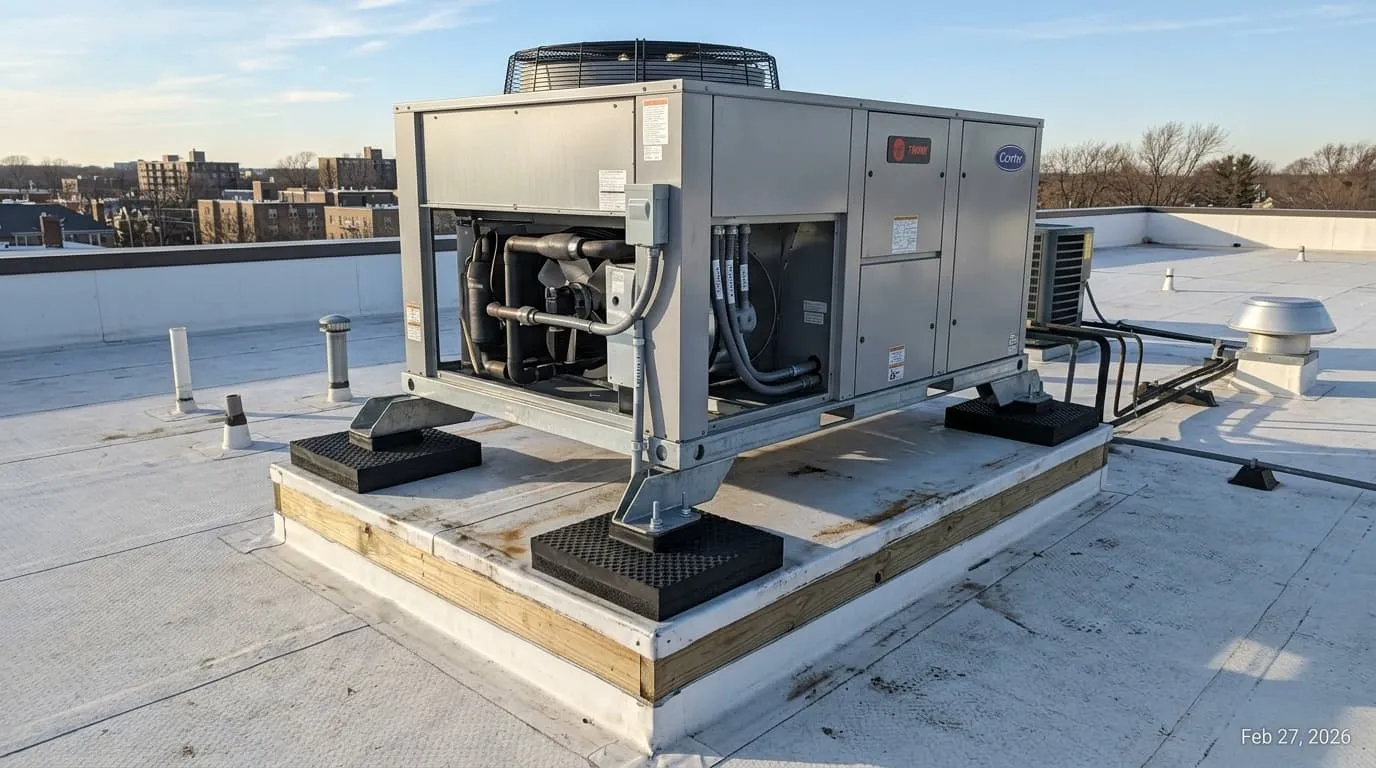
The most significant mechanical issue we faced after moving in was our rooftop package HVAC unit. Unlike split systems where the noisy compressor is located on the ground, a package unit houses all of its heavy components on the roof.
When our heating turned on, we noticed a low-frequency humming noise and structural vibration transferring through our hallway ceilings:
- The Cause: The package unit sits directly on top of the wooden roof curb. As the compressor and heavy fans rotate, their mechanical vibration naturally transfers directly into the home’s wood framing studs.
- The Mitigation: We coordinated with our HVAC technician to balance the system. They installed thick, high-density rubber isolation pads beneath the metal unit support frame to absorb the structural vibrations. They also replaced a section of rigid metal ducting with flexible canvas duct connectors (vibration isolators) to decouple the air ducts from the vibrating machine. These adjustments reduced the noise inside our living spaces.
The Sliding Gate Reset
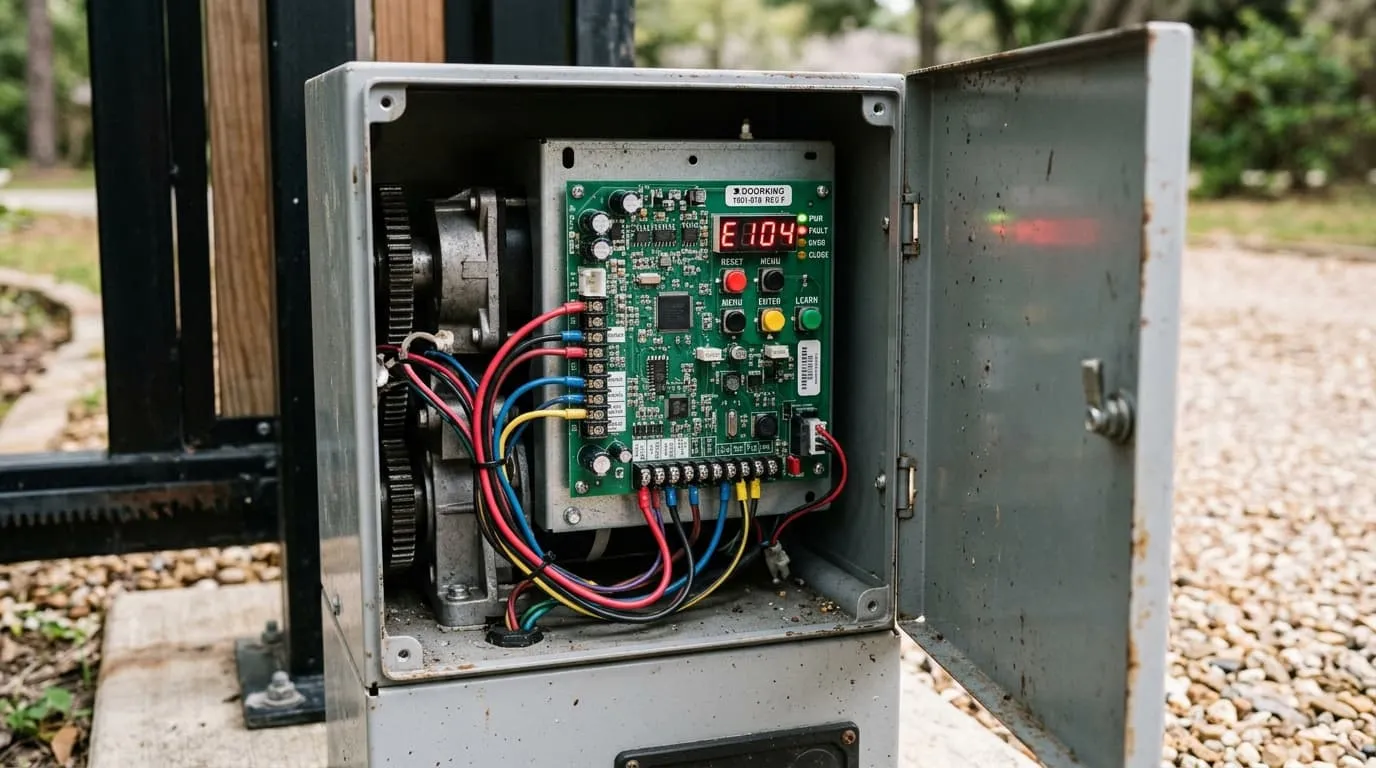
Another post-construction adjustment occurred at our front driveway. After a few days of heavy rain, our automated sliding driveway gate began running into a safety sensor glitch, causing the motor to stop and beep an alarm.
Our security subcontractor returned to inspect the system, identifying a minor electrical issue in the wiring harness feeding power to the motor. They repaired the wire, performed a hard reset on the control board, and recalibrated the safety limits, ensuring the gate glided smoothly and safely on its concrete track.
Crucial Homeowner Call-Outs: What to Watch For
- Anticipate Post-Move-In Wood Adjustments: Do not assume your wood doors or cabinets are defective if they begin to stick or sag after a few weeks. Structural settling and interior climate shifts will cause wood to move. Plan to have your general contractor’s finish carpenter return to the site 30 to 45 days after move-in to complete final adjustments on all doors, cabinets, and drawers.
- Install High-Density Vibration Isolation Pads on Rooftop HVACs: If your major remodel involves a flat-roof-mounted package HVAC unit, ensure your mechanical contract specifies the installation of high-density rubber vibration isolation pads and flexible canvas duct boots during the initial installation. Decoupling the vibrating machinery from your home’s wood framing is essential to keep your interior spaces quiet.
What’s Next in the Construction Journey…
In Episode 46: Project Close-Out — Warranties, Handover, and the Porta-Potty Goodbye, we share the final administrative steps, organize our warranty files, and bid farewell to our temporary site facilities.